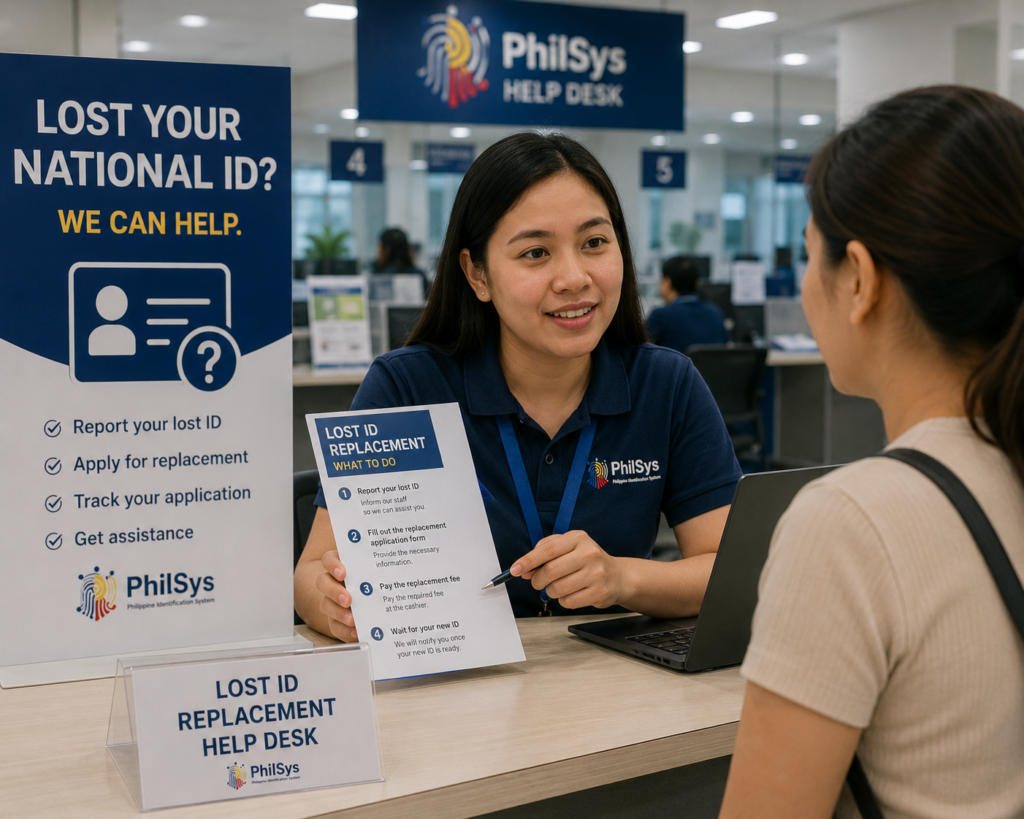
Home > Philippines > Replace Lost National ID
How to Replace a Lost National ID in the Philippines (2026 Guide)
Losing your wallet on the MRT or having your bag stolen is a universally terrible experience. But the panic truly sets in when you realize your PhilSys National ID was inside it. Because the National ID serves as the foundational, ultimate proof of identity in the Philippines, misplacing it feels like losing the master key to your digital and financial life.
The good news is that the Philippine Identification System was built with security at its core. Even if a thief has your physical PVC card, they cannot easily use it to open bank accounts or take out loans in your name. This is because banks and government agencies use the PhilSys QR code and biometric fingerprint matching to verify the cardholder. Unless the thief magically possesses your irises and fingerprints, the physical card is practically useless to them.
However, the card is highly valuable to you. You must replace it as soon as possible.
Unlike your initial registration, which was completely free and heavily promoted by local government units, replacing a lost card requires a bit of legal legwork. You cannot simply log into a portal and click “Print New Card.” To prevent fraud, the Philippine Statistics Authority (PSA) requires legal documentation proving the loss, the payment of a replacement fee, and a physical biometric verification step to ensure you are the actual owner requesting the reprint.
In this comprehensive 2026 guide, we will walk you through exactly how to replace a lost National ID. We will break down the mandatory Affidavit of Loss requirement, detail the current replacement fees, outline the step-by-step process at the PSA registration centers, and explain how to rely on the ePhilID while you wait for your new physical card to arrive.
Key Takeaways
- An Affidavit of Loss is Mandatory: You cannot request a replacement without a Notarized Affidavit of Loss. This is a legal document swearing under oath that the card was genuinely lost or stolen.
- The Replacement is NOT Free: While your first National ID was free, the government charges a standard replacement fee (typically around Php 135) to cover the cost of re-printing the high-security PVC card.
- Biometric Verification is Required: You must visit a PhilSys registration center in person. The PSA will scan your fingerprints and iris to verify your identity before authorizing the reprint. You cannot send an authorized representative to do this for you.
- The ePhilID is Your Backup: If you need a valid ID immediately while waiting for the physical replacement card to be printed, you can generate and download a digital ePhilID instantly.
- Report Stolen IDs: If your ID was stolen, it is highly recommended to also secure a Police Report to formally document the theft, protecting you from future identity fraud liabilities.
Overview: The Security of a Lost PhilSys ID
Before you panic about identity theft, you need to understand how the PhilSys architecture works.
Unlike older government IDs (like the cardboard TIN ID) which relied entirely on the physical card and a printed signature, the PhilSys National ID is a biometric ID. The physical PVC card contains a highly encrypted microchip and an asymmetric cryptographic QR code.
When you present your National ID to a bank teller in 2026, the teller does not just look at your face and the photo on the card. They scan the QR code. The system then prompts you to place your thumb on a scanner. If the live thumbprint does not mathematically match the encrypted biometric data assigned to that specific PhilSys Number (PSN), the transaction is instantly declined.
Therefore, if a pickpocket steals your wallet, they possess a piece of plastic. They cannot use it to impersonate you for any high-level transaction because they do not have your fingers or your irises. The system is designed to render stolen physical cards useless to bad actors.
Eligibility: Who Can Request a Replacement?
Because requesting a replacement involves accessing sensitive demographic and biometric data, the eligibility rules are strict.
- The Original Cardholder: The registered owner of the lost National ID must be the one to request the replacement. You must appear in person so the PSA can scan your fingerprints to verify it is really you asking for the reprint.
- Parents/Legal Guardians (For Minors): If the lost ID belongs to a minor (under 18 years old), the parent or legal guardian who originally linked their PSN to the child’s record must accompany the child to the registration center to request the replacement.
Important Note: You cannot send a representative, a lawyer, or a spouse with an Authorization Letter to request a replacement for you. The biometric verification step makes third-party requests impossible.
Requirements: What You Need to Bring
When you show up at the PSA PhilSys Registration Center to request a new card, you must bring a specific set of legal documents. Do not show up empty-handed.
1. The Notarized Affidavit of Loss
This is the absolute, non-negotiable requirement. An Affidavit of Loss is a legal document where you swear under oath (and under penalty of perjury) that your ID was genuinely lost, misplaced, or destroyed.
How to get it: You can draft one yourself using templates available online, or simply walk into any Notary Public office (often found near municipal halls or inside large commercial buildings). The lawyer’s secretary will print a standard template, you will sign it, and the lawyer will stamp and notarize it. This typically costs between Php 150 to Php 300, depending on the notary.
2. Police Report (Required Only if Stolen)
If you simply misplaced your ID in your house and can’t find it, the Affidavit of Loss is sufficient. However, if your wallet was stolen in a robbery or pickpocketing incident, you should secure a Police Report from the local precinct where the incident occurred.
While the PSA usually only requires the Affidavit of Loss for the reprint, having a Police Report is vital for your own legal protection. If the thief somehow attempts to use your ID for fraudulent activities, the Police Report serves as official proof that the card was not in your possession at that time.
3. Alternative Valid IDs for Verification
Even though the PSA will use your biometrics to verify your identity, you still need to present alternative identification to the frontline screening officer to initiate the transaction.
You should bring one (1) Primary or Secondary ID (the same types of IDs you used during your initial PhilSys registration, such as a Passport, Driver’s License, or PSA Birth Certificate).
If you lost your entire wallet and have absolutely zero IDs left, you must bring your original PSA Certificate of Live Birth. If you don’t even have that, you will need to secure a new one from the PSA first.
Replacement Fees and Penalties
The Philippine Identification System Act states that the initial issuance of the National ID is completely free for all citizens and resident aliens. However, replacements due to loss, damage, or theft are subject to a fee to cover the printing and logistical costs.
- Standard Replacement Fee: The fee to replace a lost or damaged physical PVC National ID is currently set at Php 135.00. (Note: Always check with the local PSA office, as this fee is subject to minor adjustments).
- ePhilID Replacement: If you lose your printed paper ePhilID, you can usually generate and print a new one for free via the online portal.
- No Penalty Fees: There is no punitive “fine” for losing your ID. You only pay the administrative cost of the reprint.
Step-by-Step Process: How to Request a Replacement
Replacing a lost ID is a hybrid process involving legal documentation and an in-person visit.
- Secure the Affidavit of Loss: Visit a Notary Public and secure a notarized Affidavit of Loss specifically citing your PhilSys National ID.
- Check Appointment Protocols: Visit the official PhilSys portal. Depending on the current volume, you may need to book a National ID appointment online specifically for “Replacement/Updating,” or you may be allowed to walk into a dedicated PhilSys Replacement Center. (Always check local PSA advisories).
- Visit the Registration Center: Go to the PhilSys center with your Notarized Affidavit of Loss, your alternative valid ID (or PSA Birth Certificate), and the replacement fee in cash.
- Form Submission & Payment: Fill out the PhilSys Request for Replacement Form. Submit your Affidavit of Loss. The officer will review your documents. Once approved, proceed to the cashier and pay the Php 135.00 replacement fee. Keep the official receipt.
- Biometric Verification: This is the crucial step. You will sit at the biometric capture station. The officer will ask you to place your fingers on the scanner and look into the iris camera. The system will match your live biometrics against the central database to confirm you are the true owner of the lost card.
- Receive Your New TRN: Once verified, the officer will issue a new transaction slip with a new Transaction Reference Number (TRN). The request to reprint your card is now officially in the system.
Processing Time: The Wait for the Reprint
This is where applicants often get frustrated. You might assume that because your biometrics are already in the system, printing a replacement card takes a few days. Unfortunately, this is rarely the case.
Your request for a reprint is sent to the Bangko Sentral ng Pilipinas (BSP), where it enters the same massive printing queue as first-time applicants. The wait for a replacement physical PVC card can take several months.
The Solution: Download Your ePhilID Immediately
Do not wait for the physical card if you need to transact with banks or government agencies. Because you have already completed the biometric verification, your digital identity is active.
You can use your new TRN (or even your old TRN if you still have the slip) to log into the official PhilSys portal and download a digital PDF copy of your ePhilID. You can print this ePhilID on standard paper. By law, all institutions in the Philippines must accept the printed ePhilID with the same weight and validity as the physical PVC card.
While waiting for the physical mail, you can check your National ID status online using the PHLPost tracking system.
Common Mistakes to Avoid
Avoid these frequent errors to ensure your replacement request is not rejected:
- Showing up without an Affidavit: The PSA officers legally cannot process a replacement without the notarized Affidavit of Loss. Do not waste a trip to the center without it.
- Sending an Authorized Representative: You cannot send your spouse or child to process the replacement for you. The mandatory biometric scan requires your physical presence.
- Losing the New TRN Slip: The new TRN slip given to you after the replacement request is your only way to track the new card’s delivery. Do not lose it again!
- Applying for a “New” Registration: Do NOT go to the PhilSys portal and try to register as a first-time applicant (Step 1) just because you lost your card. When you go for biometrics, the system will flag you as a duplicate (because your fingerprints are already in the database), and you will be investigated for fraud. You must strictly follow the “Replacement” process.
Frequently Asked Questions
What happens if I find my old National ID after requesting a replacement?
If you find your old physical card after you have already submitted a replacement request and paid the fee, the old card is technically invalidated in the backend system. You should surrender the old, recovered card to the PSA to prevent any confusion or potential security issues, and simply wait for the new card to arrive.
Can I update my photo or address when requesting a replacement?
Yes. If you need to update your demographic data (like a new home address) or if you want a new photograph taken, you can request an “Updating of Demographic Data” simultaneously with your replacement request. However, be aware that updating your data may add additional processing time.
Can I use an expired Passport as my supporting ID for the replacement?
No. Expired IDs are legally invalid. If you lost your wallet and all your IDs are gone or expired, your best option is to secure an original PSA Certificate of Live Birth and use that in conjunction with your Notarized Affidavit of Loss.
Do I need to pay the Php 135 fee if my ID was stolen in a robbery?
Yes. Regardless of whether the ID was misplaced due to negligence or stolen during a crime, the PSA requires the standard replacement fee to cover the physical printing and logistical costs of generating a new PVC card.
Official Resources
For the most current information on replacement fees and local PhilSys center availability, consult the official channels:
- Philippine Statistics Authority – PhilSys Main Website
- Philippine Statistics Authority (PSA) – Official Site
- PhilSys ePhilID Portal (For immediate digital replacement)
Conclusion
Losing your PhilSys National ID is a stressful event, but the robust biometric architecture of the Philippine Identification System ensures that your identity remains safe from bad actors. A lost piece of plastic does not equate to a stolen identity.
The replacement process is a minor administrative hurdle designed entirely for your protection. By quickly securing a Notarized Affidavit of Loss, preparing the Php 135 replacement fee, and visiting your local PhilSys registration center for a biometric verification scan, you can initiate the reprint process with ease.
Most importantly, remember that you do not have to put your life on hold while waiting months for the new physical PVC card to arrive in the mail. By immediately downloading and printing your ePhilID, you can continue to transact seamlessly with banks, government agencies, and private institutions, secure in the knowledge that your foundational identity remains intact and verified.
Disclaimer
PublicServicesDesk.com is an independent informational website and is not affiliated with, endorsed by, or operated by the Philippine Statistics Authority (PSA) or the Philippine Government. Information is provided for general educational purposes only and may change over time. Always verify important details through official Philippine Government websites before making decisions or submitting applications.
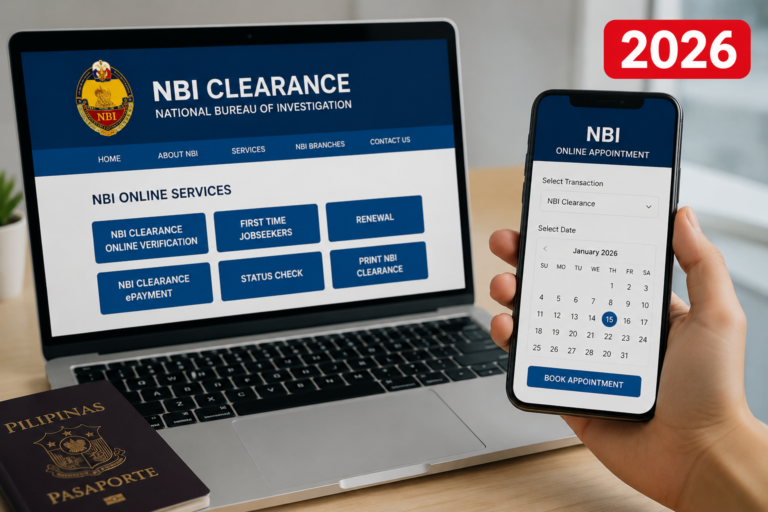
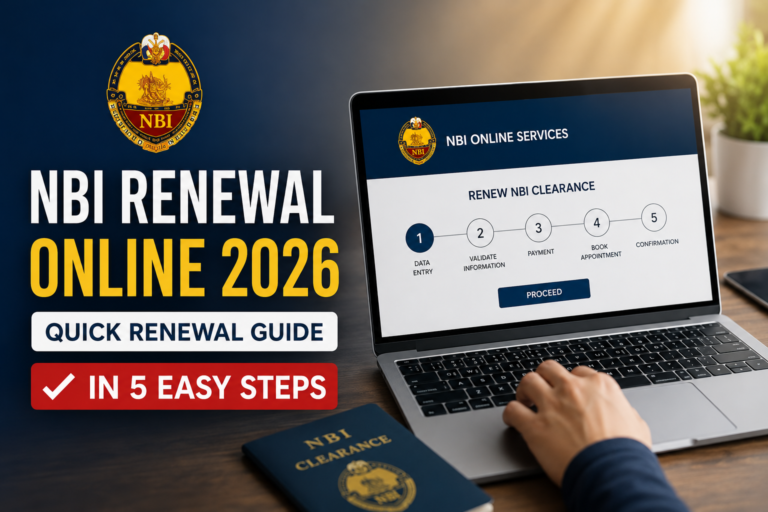
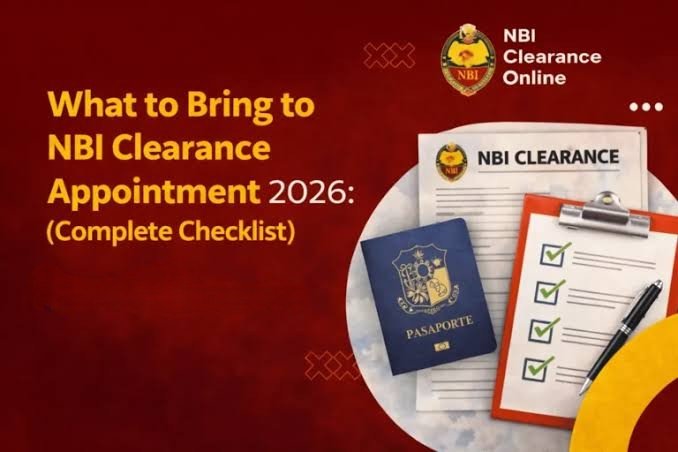




[…] your NBI clearance was lost or stolen, you must secure an Affidavit of Loss and present it along with a valid government ID when applying for a replacement or renewal […]